For over a decade, the NDIS has been more than a system. It has been a promise—that people living with disability, and the families who support them, would not have to walk their path alone.
Right now, that promise feels uncertain.
With recent changes tightening budgets, moving toward functional capacity assessments, and shifting more responsibility toward states and “the community,” many households are left sitting with a quiet but heavy question:
If the system steps back… who steps in?
When Support Becomes Harder to Reach For many families, the fear isn’t abstract. It’s deeply practical. It’s the everyday supports—the ones that don’t always get recognised—that are at the greatest risk right now:
someone to help with the garden
a lift to the shops
a friendly face for a cup of tea
a moment of respite
These are not extras. They are the threads that hold daily life together. And when they disappear, life doesn’t just get harder—it becomes smaller, quieter, and more isolated.
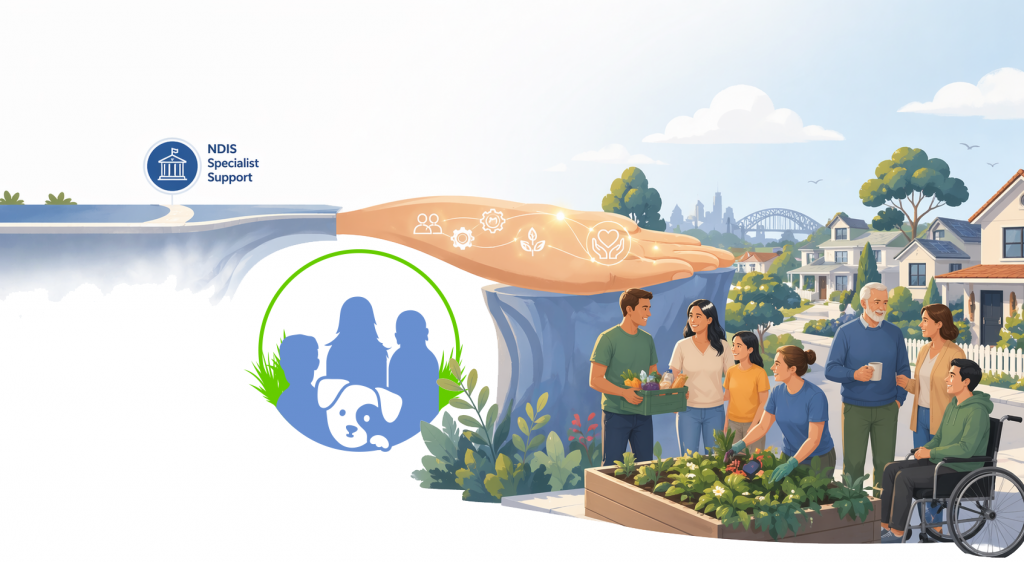
The Gap We’re Now Facing We’re being told that the community will play a bigger role. And in theory, that sounds right. But community doesn’t just happen. It needs a way to connect people, build trust, coordinate support, and make helping easy and natural.
Without that, “community support” risks becoming something else entirely: more pressure on families, with fewer ways to manage it.
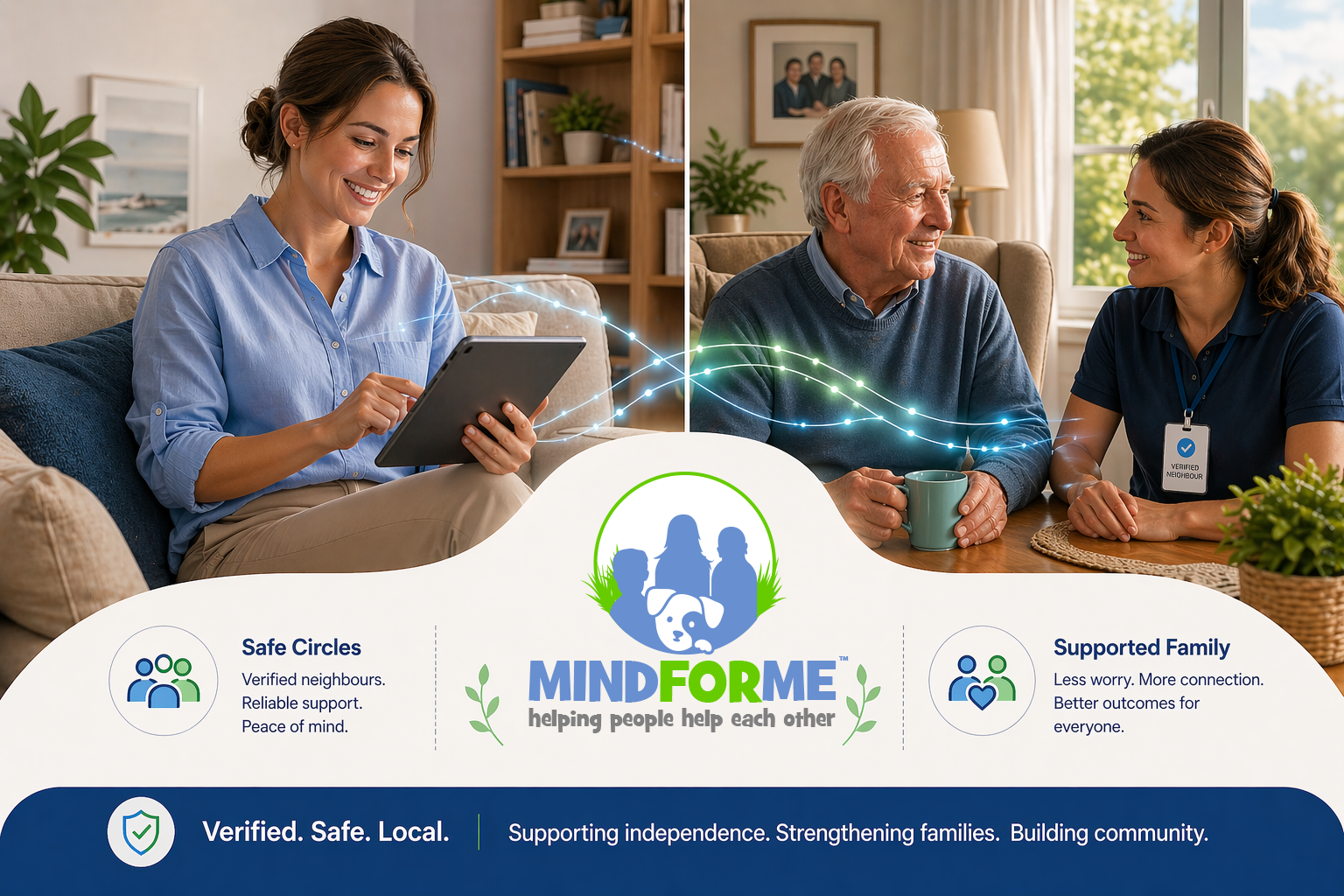
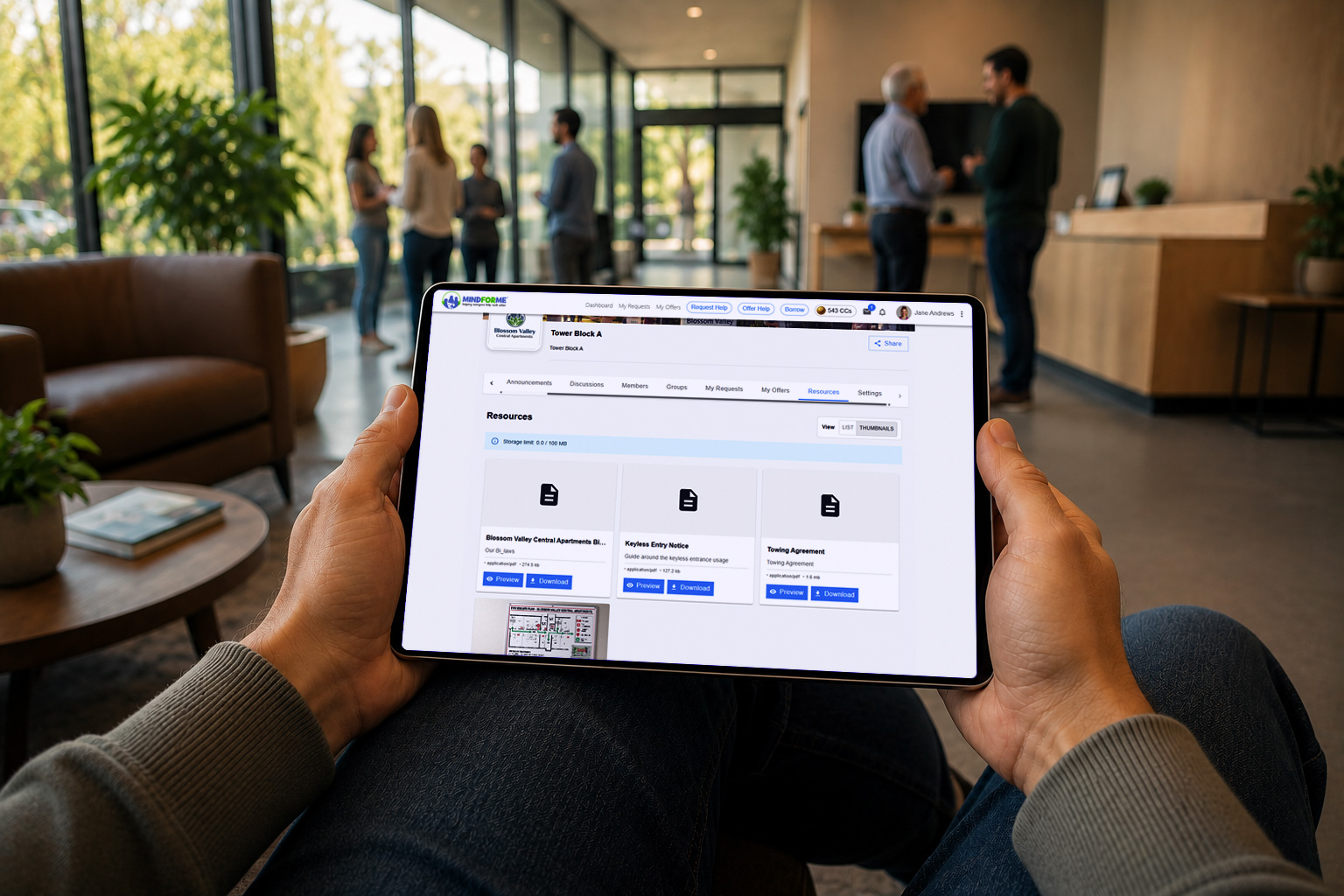
This is Where Mind For Me Fits Mind For Me wasn’t built as a reaction to policy. It was built for people. It provides a simple, trusted way to activate everyday support within real communities.
Through the platform, people can:
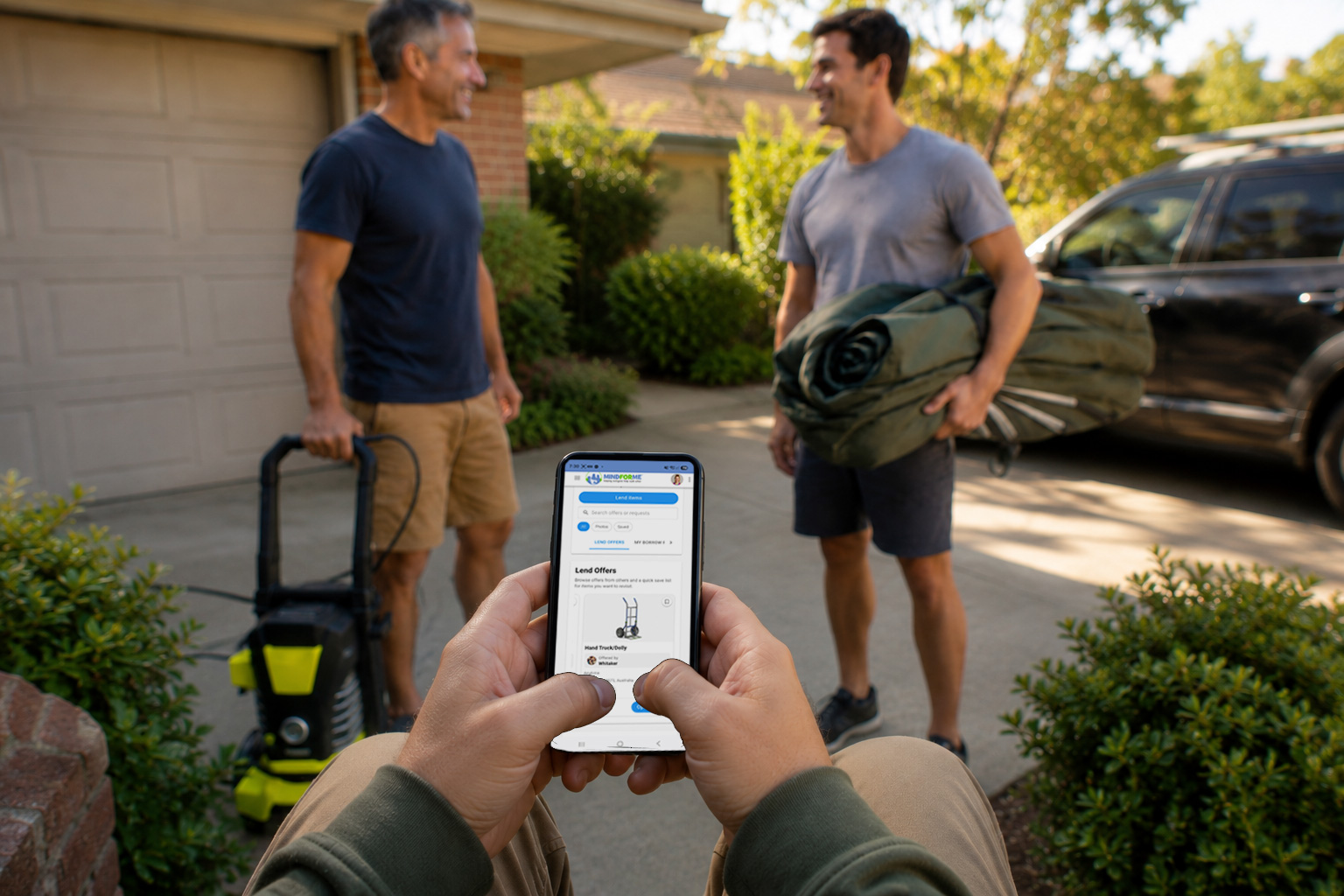
Ask for help from neighbours, friends, or trusted local members.
Offer support in ways that fit their time and life.
Build relationships through small, meaningful moments.
Exchange help through our “Care Coins” model, which values contribution without relying on direct cash payments.
Why this matters is simple. Most platforms rely on money or one-way volunteering, which eventually leads to burnout or a reliance on continuous funding. Mind For Me is different. It is a completely self-sustaining and inclusive ecosystem.
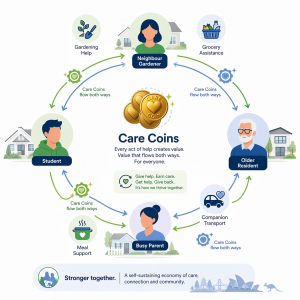
By using a reciprocal model like Care Coins, people aren’t just asking for help—they’re part of a shared exchange. Society is naturally incentivised to participate because everyone gets value from it. You don’t need to constantly recruit new volunteers or find new funding streams to keep it alive. It removes the awkwardness of “needing support” and replaces it with something more human: participation, contribution, and dignity.
Supporting Loved Ones, Wherever They Are Care doesn’t always happen under one roof. A parent might live across town. A sibling might need support in another suburb. Mind For Me allows families to stay connected—not just emotionally, but practically.
It enables households to coordinate local support for someone they care about, involve trusted people nearby, and share responsibility instead of carrying it alone. It brings peace of mind in a way that phone calls alone never can.
A Different Way Forward The NDIS is changing. And while essential supports must always remain protected, it’s clear that more of everyday life will sit beyond formal systems.
That doesn’t have to mean less support. It can mean something better. More connected. More human. More shared.
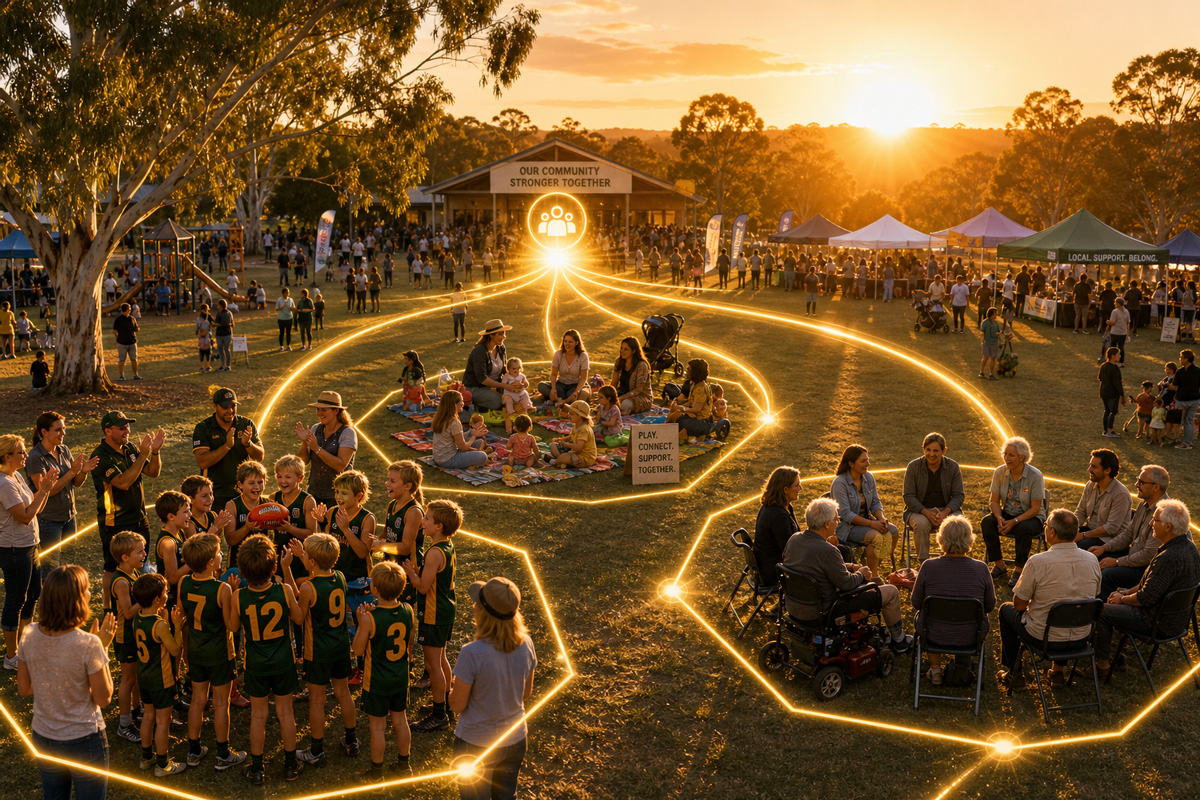
Mind For Me is already part of that future. Not as an idea—but as something people are actively using to build inclusive, self-sustaining communities. Because no one should have to navigate life alone.