We often hear people lament the loss of the “good old days.” You know the ones—where front doors were left unlocked, kids played cricket in the street until the street-lights came on, and you knew every neighbour’s name (and probably their dog’s name, too). There is a collective nostalgia for that sense of the “village”—a safety net woven from casual chats over the back fence and the borrowing of a cup of sugar.

Looking around our modern suburbs, it is easy to feel that the village has disappeared. We see higher fences, automatic garage doors that swallow cars without the driver ever stepping outside, and busy schedules that keep us rushing from point A to point B. The physical opportunities for connection have certainly shrunk.
But is the village actually gone? Or is it just waiting for us to build new infrastructure to reach it?
The Human Need Hasn’t Changed
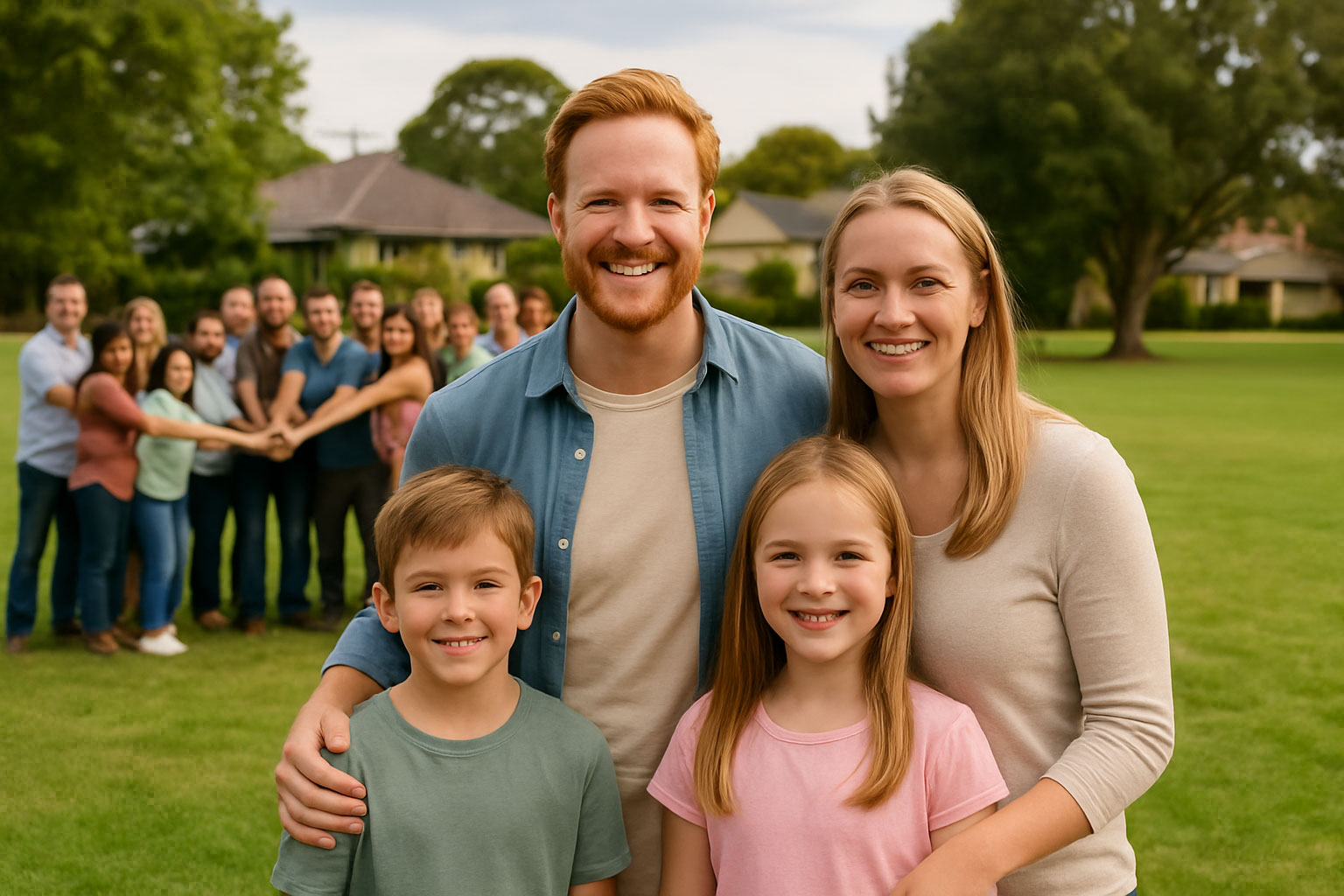
While our architecture and lifestyles have shifted, the fundamental human need for connection hasn’t. We still crave that feeling of belonging. We still want to know that if we were in a pinch, there’s someone nearby who cares. We want to live in a street that feels less like a collection of strangers and more like a community.
The desire for the village is very much alive; it just faces new physical barriers. The “drawbridge” of the modern home is often pulled up tight—not because we are unfriendly, but because we value privacy and security, or simply because we are exhausted.
Building Digital Bridges
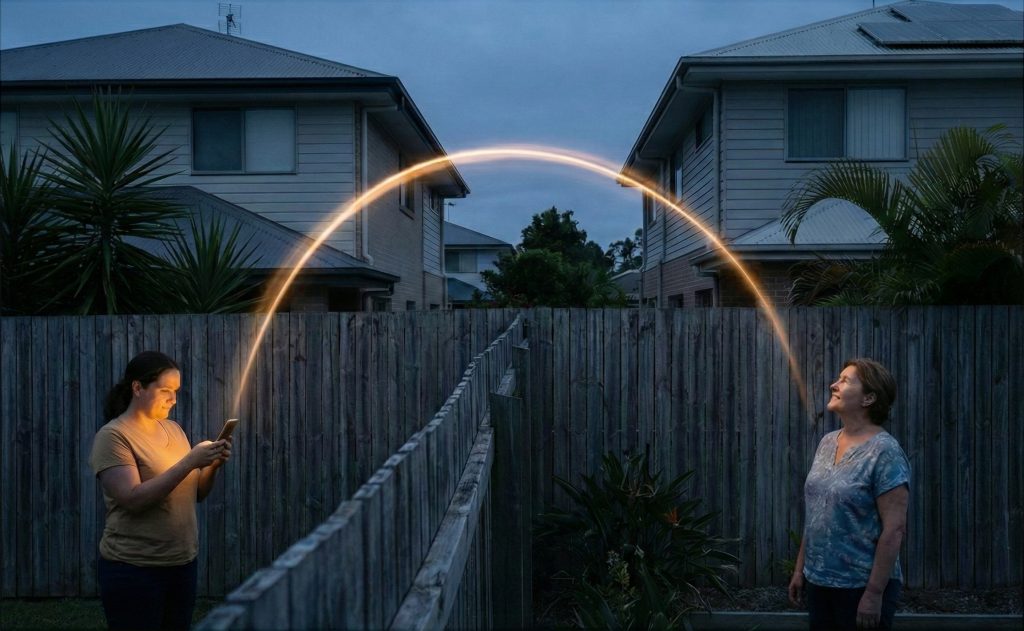
If high fences and automatic doors are the new reality, then we need new tools to lower the drawbridge. This is where digital bridges—like Mind For Me—come into play.
We often blame technology for isolating us, but when used with purpose, it can be the very thing that restores our local connections. Think of a platform like Mind For Me not as a replacement for face-to-face interaction, but as the infrastructure that makes those interactions possible again. It allows us to signal, “I’m here, I’m happy to help,” or “I could use a hand,” without the awkwardness of knocking on a door uninvited.
It removes the barriers of “I don’t want to intrude” and replaces them with a safe, organised way to say, “I’m part of your village.”

The Currency of Kindness
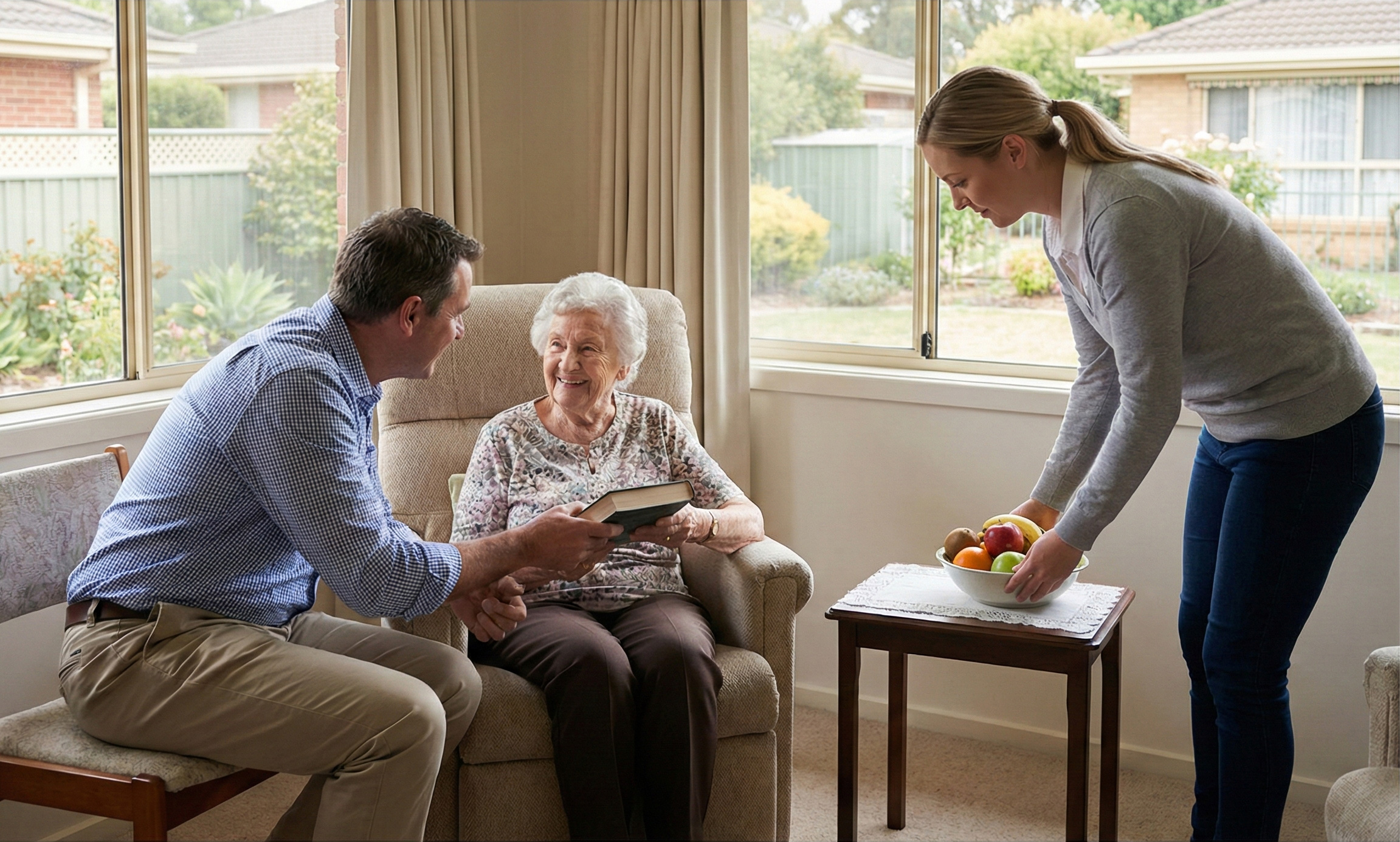
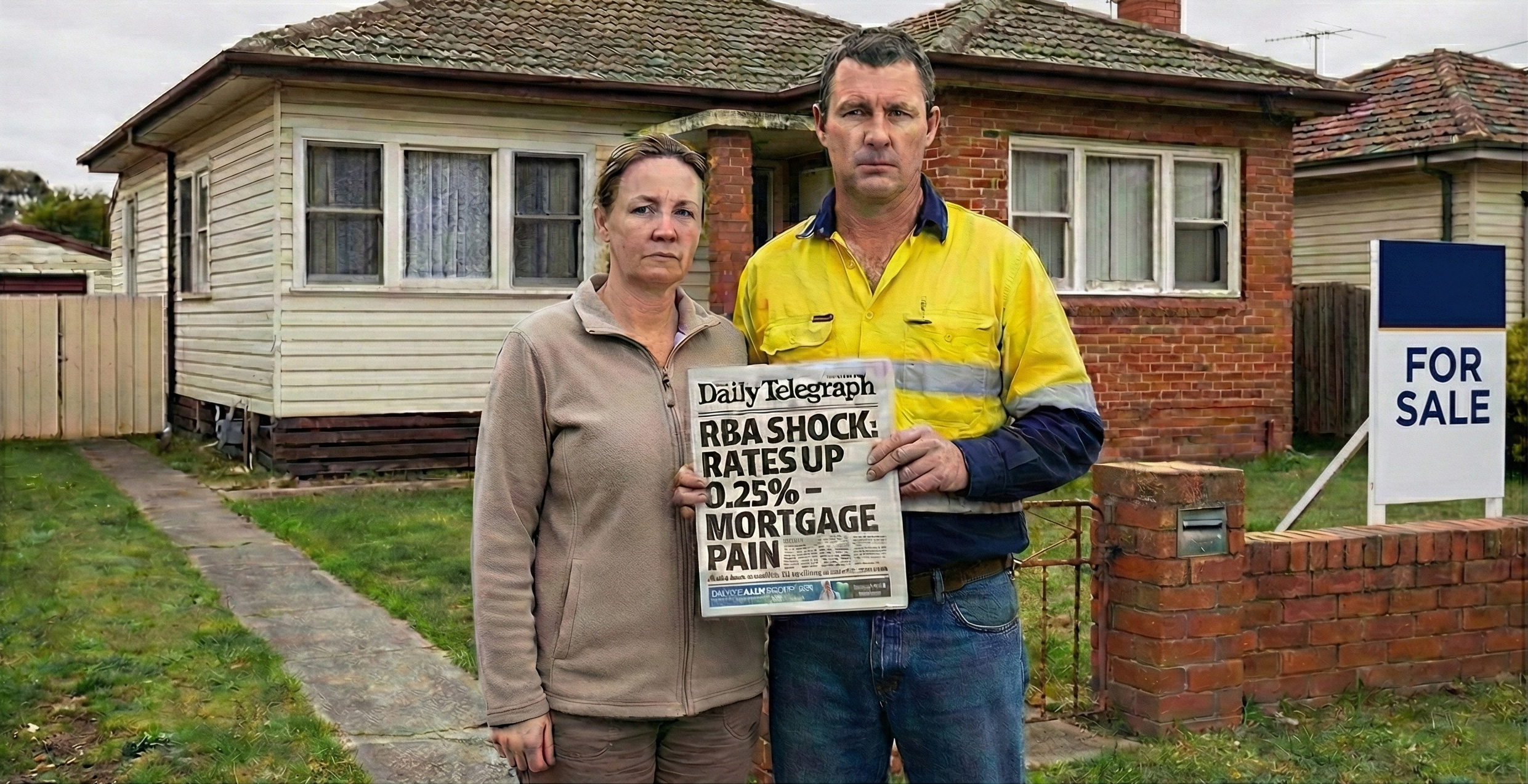
In a world where we are constantly reminded of the rising cost of living, it is refreshing to remember that the most valuable things in a community—support, care, and company—don’t cost a cent. The feeling of safety you get when you know your neighbour looks out for you? Priceless. The relief of knowing someone can feed the cat while you’re away? Invaluable.
We have a perfect opportunity to test this new infrastructure right now.
Random Acts of Kindness Week (14–20 February)
This week is Random Acts of Kindness Week, with Random Acts of Kindness Day falling next Tuesday, 17 February. It is a timely reminder that the village is built on small gestures.
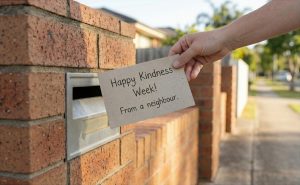
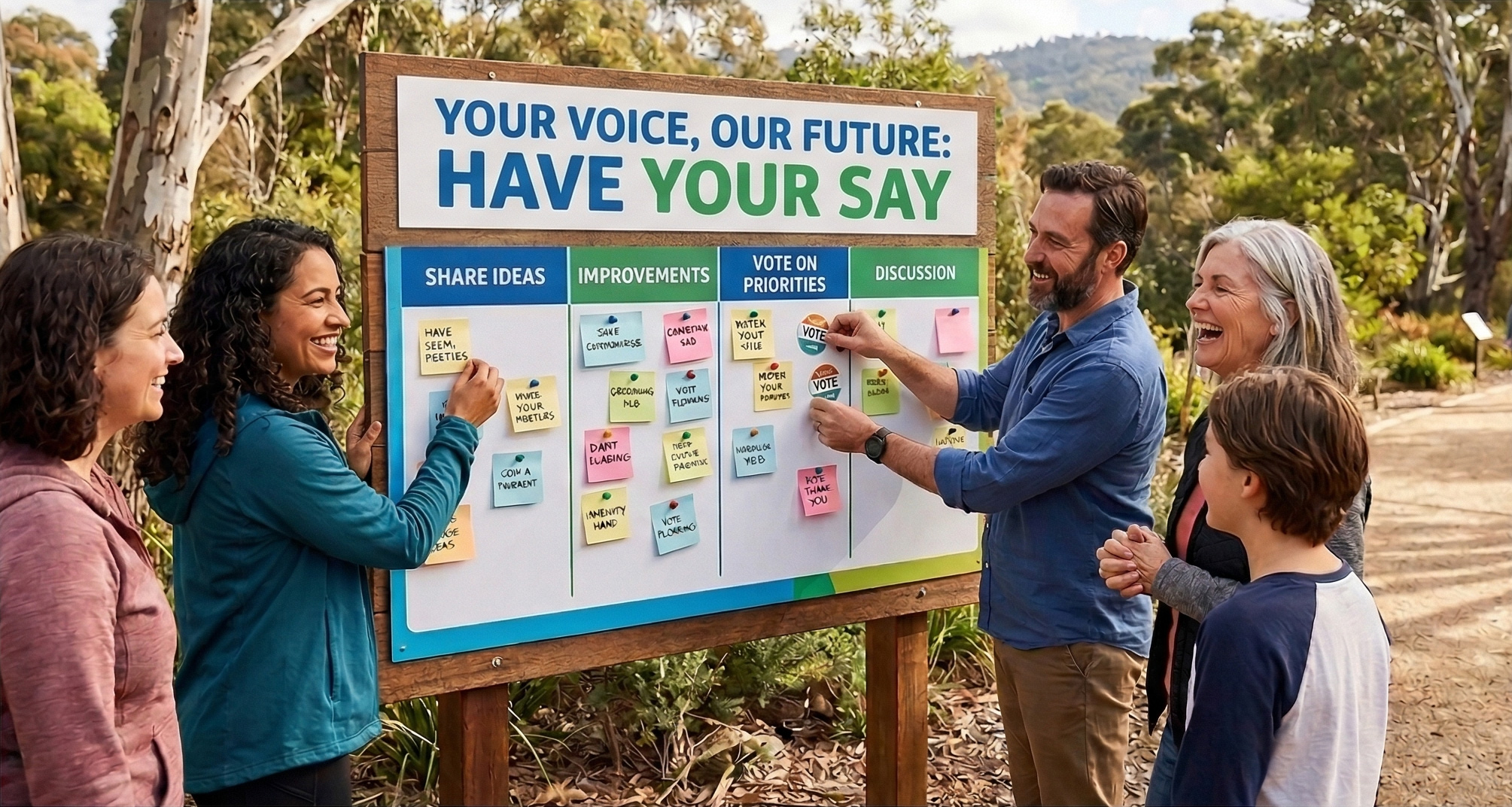
You don’t need grand displays to make a difference. It could be as simple as dropping a note in a letterbox, sharing a surplus of veggies from your garden, or using Mind For Me to offer a couple of hours of help to a family nearby.
The village isn’t dead. It’s just been waiting for us to build the bridge back to it. Let’s lower the drawbridge this week.